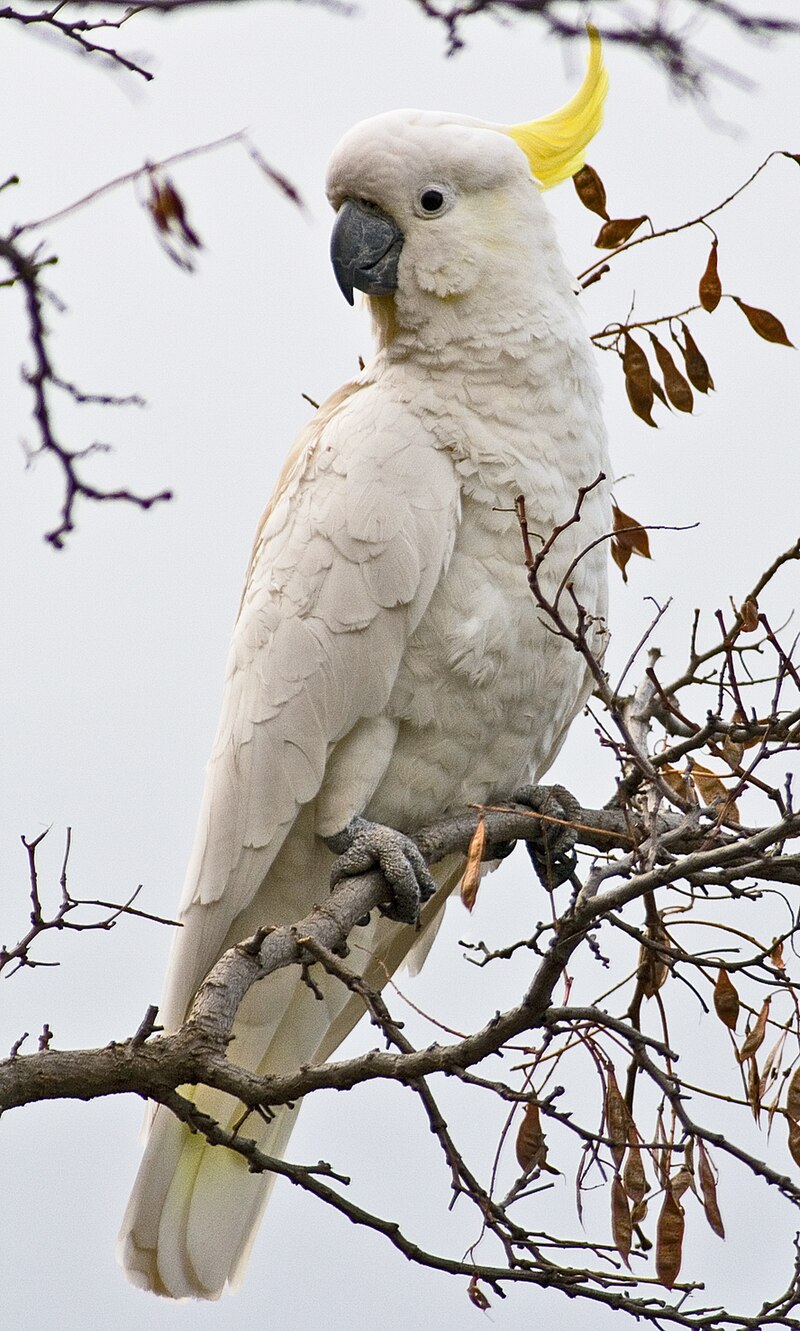
Cockatiel
Temperament
Good with
Activity & enrichment
A tiny bird like a Cockatiel is intelligent and active, needing daily out-of-cage time in a safe room, plus foraging toys, chewables, and things to shred. Boredom is the enemy for companion birds, so rotating enrichment keeps their minds busy.
Temperament & socializing
Birds are flock animals and bond closely with their people through gentle, consistent interaction. Introductions to other birds should be slow and supervised — cage territory is real. A Cockatiel's sociability grows with trust, routine, and calm handling.
Everyday care
Offer a species-appropriate diet (typically a formulated base plus suitable fresh foods), clean water, a roomy cage with varied perches, and stable light and sleep cycles. Avoid airborne hazards like non-stick fumes and smoke. See an avian vet for anything health-related — this is general guidance only.
Health — what owners watch for
Well-documented conditions the Cockatiel can be predisposed to. Responsible breeders screen for many of these, and plenty of Cockatiels never develop them — but they are worth knowing before you commit.
- Night frights and fractures
- Egg binding in females
- Fatty liver disease
- Respiratory disease from dust
General information, not veterinary advice — always talk to your vet.
Did you know? The smallest of the cockatoo family; males are the singers and whistlers, often mimicking tunes.
General, species-level orientation — not veterinary advice. Every animal is an individual; your vet knows yours best.
Cockatiel FAQ
How long do Cockatiels live?
A Cockatiel typically lives 15–20 years. Lifespan varies with genetics, weight, dental care, and routine veterinary checkups — good day-to-day care genuinely moves the number.
Is a Cockatiel easy to train?
Cockatiels are generally quick to learn and eager to please. As with any bird, reward-based training and early, positive socialization matter far more than breed reputation alone.
What health issues affect Cockatiels?
Cockatiels can be predisposed to night frights and fractures, egg binding in females, fatty liver disease, and respiratory disease from dust. General information, not veterinary advice — always talk to your vet.
Is a Cockatiel good for playdates?
Birds are flock animals and bond closely with their people through gentle, consistent interaction. Introductions to other birds should be slow and supervised — cage territory is real. A Cockatiel's sociability grows with trust, routine, and calm handling.
How much space and activity does a Cockatiel need?
A tiny bird like a Cockatiel is intelligent and active, needing daily out-of-cage time in a safe room, plus foraging toys, chewables, and things to shred. Boredom is the enemy for companion birds, so rotating enrichment keeps their minds busy.
What does everyday Cockatiel care look like?
Offer a species-appropriate diet (typically a formulated base plus suitable fresh foods), clean water, a roomy cage with varied perches, and stable light and sleep cycles. Avoid airborne hazards like non-stick fumes and smoke. See an avian vet for anything health-related — this is general guidance only.
Can I meet Cockatiels near me on Petpair?
Yes — Petpair matches birds for playdates and pedigree matches, and discovery is location-aware from the first swipe. Build a free profile for your tiny bird and start meeting Cockatiels and other birds in your area.
Breeds similar to the Cockatiel
Same species, matched on size, energy, and temperament — a natural next read if the Cockatiel caught your eye.