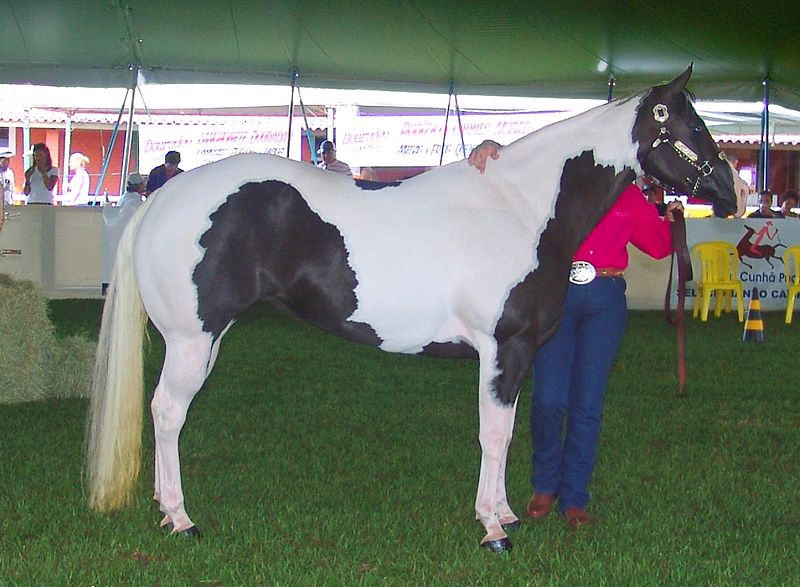
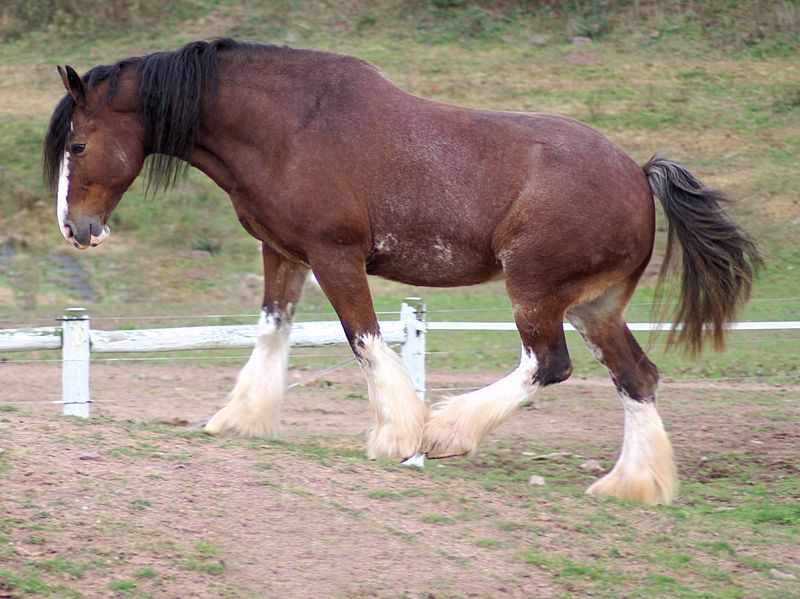
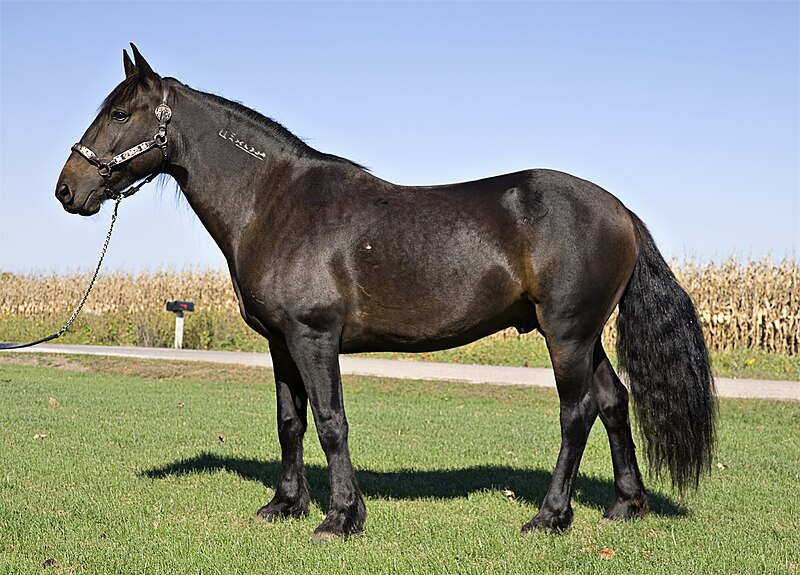
Andalusian
Temperament
Good with
Turnout & work
A large equine such as a Andalusian is built to move and graze for much of the day. Daily turnout, consistent exercise suited to their fitness, and a job to think about all support a sound body and mind. Build any work up gradually.
Temperament & herd life
Horses are herd animals who read body language keenly and settle best with equine company and calm, consistent handling. A Andalusian's manners and confidence come from patient groundwork and trust rather than breed reputation.
Everyday care
The basics are constant access to forage, fresh water, shelter, routine hoof care, dental checks, and a vaccination and parasite plan with your vet. Introduce feed changes slowly. This is orientation only — an equine vet and farrier guide the specifics for your Andalusian.
Health — what owners watch for
Well-documented conditions the Andalusian can be predisposed to. Responsible breeders screen for many of these, and plenty of Andalusians never develop them — but they are worth knowing before you commit.
- Laminitis
- Guttural pouch tympany
General information, not veterinary advice — always talk to your vet.
Did you know? The proud 'horse of kings' from Spain, prized for dressage and once the preferred war horse of European nobility.
General, species-level orientation — not veterinary advice. Every animal is an individual; your vet knows yours best.
Andalusian FAQ
How long do Andalusians live?
A Andalusian typically lives 25–30 years. Lifespan varies with genetics, weight, dental care, and routine veterinary checkups — good day-to-day care genuinely moves the number.
How big does a Andalusian get?
Most adult Andalusians weigh around 410–570 kg. Individuals vary with sex, build, and diet, so treat this as a typical range rather than a guarantee.
Is a Andalusian easy to train?
Andalusians are generally quick to learn and eager to please. As with any horse, reward-based training and early, positive socialization matter far more than breed reputation alone.
What health issues affect Andalusians?
Andalusians can be predisposed to laminitis and guttural pouch tympany. General information, not veterinary advice — always talk to your vet.
Is a Andalusian good for playdates?
Horses are herd animals who read body language keenly and settle best with equine company and calm, consistent handling. A Andalusian's manners and confidence come from patient groundwork and trust rather than breed reputation.
How much space and activity does a Andalusian need?
A large equine such as a Andalusian is built to move and graze for much of the day. Daily turnout, consistent exercise suited to their fitness, and a job to think about all support a sound body and mind. Build any work up gradually.
What does everyday Andalusian care look like?
The basics are constant access to forage, fresh water, shelter, routine hoof care, dental checks, and a vaccination and parasite plan with your vet. Introduce feed changes slowly. This is orientation only — an equine vet and farrier guide the specifics for your Andalusian.
Can I meet Andalusians near me on Petpair?
Yes — Petpair matches horses for playdates and pedigree matches, and discovery is location-aware from the first swipe. Build a free profile for your large horse and start meeting Andalusians and other horses in your area.
Breeds similar to the Andalusian
Same species, matched on size, energy, and temperament — a natural next read if the Andalusian caught your eye.