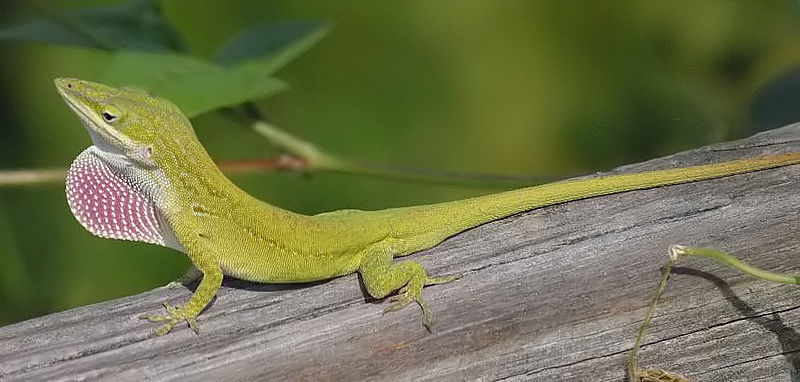
Bearded Dragon
Temperament
Good with
Habitat & enrichment
A small lizard like a Bearded Dragon depends on its enclosure for everything. Correct temperature gradients, appropriate UVB where the species needs it, humidity, and climbing or basking spots aren't extras — they're the care. Research the exact species' parameters and provide space to thermoregulate.
Temperament & handling
Reptiles don't socialize like mammals; most lizards tolerate rather than seek handling, and many species should be housed alone. A Bearded Dragon grows calmer with short, gentle, consistent sessions and a low-stress setup.
Everyday care
Feed a species-appropriate diet (insects, plants, or both depending on the species), supply clean water, and keep heating and lighting on reliable cycles with a spot-cleaned enclosure. A reptile-experienced vet is worth finding early — this page is general guidance, not medical advice.
Did you know? One of the most beginner-friendly reptiles; they 'wave' a foreleg and puff a spiky black 'beard' to communicate mood.
General, species-level orientation — not veterinary advice. Every animal is an individual; your vet knows yours best.
Bearded Dragon FAQ
How long do Bearded Dragons live?
A Bearded Dragon typically lives 8–12 years. Lifespan varies with genetics, weight, dental care, and routine veterinary checkups — good day-to-day care genuinely moves the number.
How big does a Bearded Dragon get?
Most adult Bearded Dragons weigh around 0–1 kg. Individuals vary with sex, build, and diet, so treat this as a typical range rather than a guarantee.
Is a Bearded Dragon easy to train?
Bearded Dragons are generally more independent, so training rewards patience and motivation. As with any lizard, reward-based training and early, positive socialization matter far more than breed reputation alone.
Is a Bearded Dragon good for playdates?
Reptiles don't socialize like mammals; most lizards tolerate rather than seek handling, and many species should be housed alone. A Bearded Dragon grows calmer with short, gentle, consistent sessions and a low-stress setup.
How much space and activity does a Bearded Dragon need?
A small lizard like a Bearded Dragon depends on its enclosure for everything. Correct temperature gradients, appropriate UVB where the species needs it, humidity, and climbing or basking spots aren't extras — they're the care. Research the exact species' parameters and provide space to thermoregulate.
What does everyday Bearded Dragon care look like?
Feed a species-appropriate diet (insects, plants, or both depending on the species), supply clean water, and keep heating and lighting on reliable cycles with a spot-cleaned enclosure. A reptile-experienced vet is worth finding early — this page is general guidance, not medical advice.
Can I meet Bearded Dragons near me on Petpair?
Yes — Petpair matches lizards for playdates and pedigree matches, and discovery is location-aware from the first swipe. Build a free profile for your small lizard and start meeting Bearded Dragons and other lizards in your area.
Breeds similar to the Bearded Dragon
Same species, matched on size, energy, and temperament — a natural next read if the Bearded Dragon caught your eye.