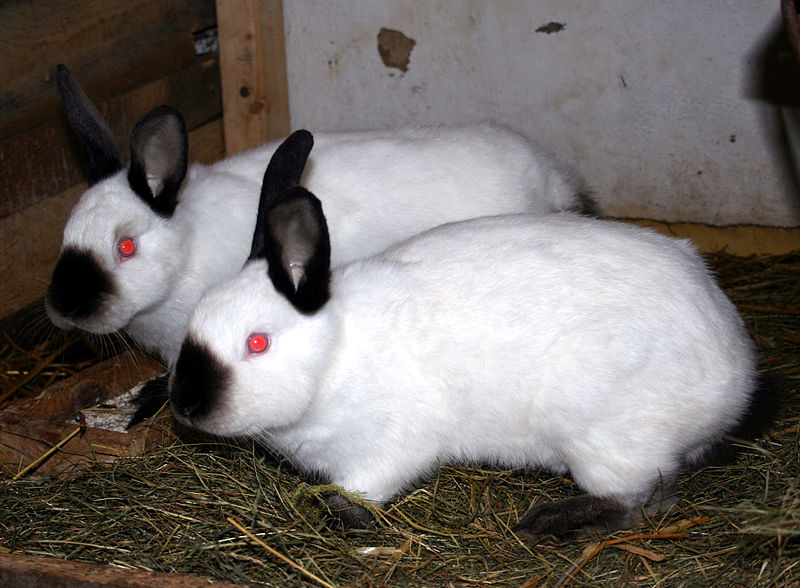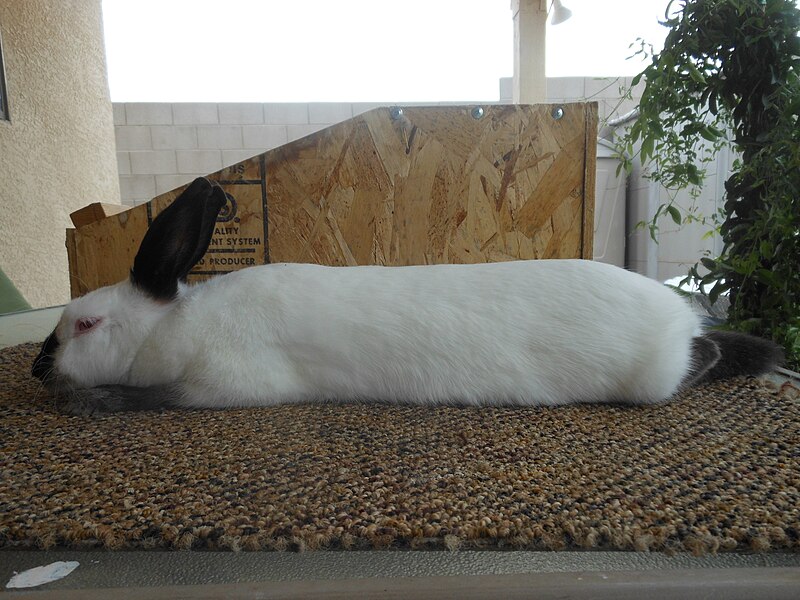
New Zealand
Temperament
Good with
Space & activity
A medium-sized rabbit such as a New Zealand needs room to hop, stretch up, and binky — several hours of safe, supervised exercise outside a hutch each day keeps them fit and happy. Rabbits are most active at dawn and dusk and love tunnels, cardboard, and dig boxes.
Temperament & companionship
Rabbits are prey animals and prefer gentle, ground-level company over being picked up. Many thrive with a bonded rabbit friend, though bonding is a slow, supervised process. A New Zealand's trust is earned patiently, with quiet routines and treats.
Everyday care
The foundation is unlimited grass hay, fresh water, leafy greens, and a small measured pellet portion. Add safe chews for their ever-growing teeth and a clean living space. Rabbits hide illness well, so a rabbit-savvy vet and regular checks matter — this page is orientation, not medical advice.
Health — what owners watch for
Well-documented conditions the New Zealand can be predisposed to. Responsible breeders screen for many of these, and plenty of New Zealands never develop them — but they are worth knowing before you commit.
- Sore hocks
- Dental malocclusion
General information, not veterinary advice — always talk to your vet.
Did you know? Despite the name the breed was developed in the United States; the red variety came first.
General, species-level orientation — not veterinary advice. Every animal is an individual; your vet knows yours best.
New Zealand FAQ
How long do New Zealands live?
A New Zealand typically lives 5–8 years. Lifespan varies with genetics, weight, dental care, and routine veterinary checkups — good day-to-day care genuinely moves the number.
How big does a New Zealand get?
Most adult New Zealands weigh around 4–5 kg. Individuals vary with sex, build, and diet, so treat this as a typical range rather than a guarantee.
Is a New Zealand easy to train?
New Zealands are generally trainable with consistency and patience. As with any rabbit, reward-based training and early, positive socialization matter far more than breed reputation alone.
What health issues affect New Zealands?
New Zealands can be predisposed to sore hocks and dental malocclusion. General information, not veterinary advice — always talk to your vet.
Is a New Zealand good for playdates?
Rabbits are prey animals and prefer gentle, ground-level company over being picked up. Many thrive with a bonded rabbit friend, though bonding is a slow, supervised process. A New Zealand's trust is earned patiently, with quiet routines and treats.
How much space and activity does a New Zealand need?
A medium-sized rabbit such as a New Zealand needs room to hop, stretch up, and binky — several hours of safe, supervised exercise outside a hutch each day keeps them fit and happy. Rabbits are most active at dawn and dusk and love tunnels, cardboard, and dig boxes.
What does everyday New Zealand care look like?
The foundation is unlimited grass hay, fresh water, leafy greens, and a small measured pellet portion. Add safe chews for their ever-growing teeth and a clean living space. Rabbits hide illness well, so a rabbit-savvy vet and regular checks matter — this page is orientation, not medical advice.
Can I meet New Zealands near me on Petpair?
Yes — Petpair matches rabbits for playdates and pedigree matches, and discovery is location-aware from the first swipe. Build a free profile for your medium-sized rabbit and start meeting New Zealands and other rabbits in your area.
Breeds similar to the New Zealand
Same species, matched on size, energy, and temperament — a natural next read if the New Zealand caught your eye.