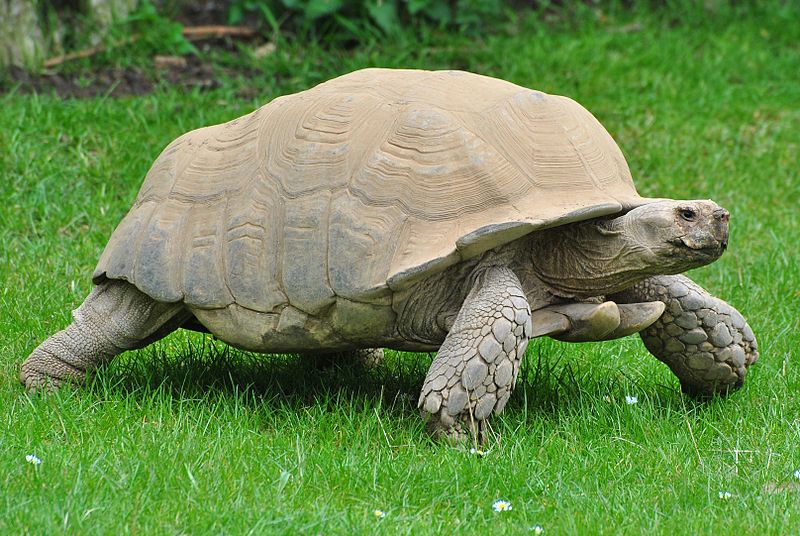
Painted Turtle
Temperament
Good with
Habitat & environment
A small turtle or tortoise such as a Painted Turtle needs its environment dialed in: aquatic species need clean, filtered, heated water plus a dry basking area, while tortoises need dry substrate and space to roam. UVB and correct temperatures underpin healthy shells and bones.
Temperament & handling
Chelonians are slow-living and generally solitary; they tolerate gentle, minimal handling rather than seeking it. A Painted Turtle does best with a stable, spacious setup and quiet observation over frequent pickups.
Everyday care
Provide a species-correct diet (many need mostly greens or a mix), clean water, strong filtration for aquatic species, and reliable heat and UVB. These are long-lived animals, so plan for the decades ahead. See a reptile vet for specifics — this is orientation only.
Did you know? North America's most widespread native turtle; the bright red-and-yellow markings under the shell give the 'painted' name.
General, species-level orientation — not veterinary advice. Every animal is an individual; your vet knows yours best.
Painted Turtle FAQ
How long do Painted Turtles live?
A Painted Turtle typically lives 20–40 years. Lifespan varies with genetics, weight, dental care, and routine veterinary checkups — good day-to-day care genuinely moves the number.
How big does a Painted Turtle get?
Most adult Painted Turtles weigh around 0–1 kg. Individuals vary with sex, build, and diet, so treat this as a typical range rather than a guarantee.
Is a Painted Turtle easy to train?
Painted Turtles are generally more independent, so training rewards patience and motivation. As with any turtle, reward-based training and early, positive socialization matter far more than breed reputation alone.
Is a Painted Turtle good for playdates?
Chelonians are slow-living and generally solitary; they tolerate gentle, minimal handling rather than seeking it. A Painted Turtle does best with a stable, spacious setup and quiet observation over frequent pickups.
How much space and activity does a Painted Turtle need?
A small turtle or tortoise such as a Painted Turtle needs its environment dialed in: aquatic species need clean, filtered, heated water plus a dry basking area, while tortoises need dry substrate and space to roam. UVB and correct temperatures underpin healthy shells and bones.
What does everyday Painted Turtle care look like?
Provide a species-correct diet (many need mostly greens or a mix), clean water, strong filtration for aquatic species, and reliable heat and UVB. These are long-lived animals, so plan for the decades ahead. See a reptile vet for specifics — this is orientation only.
Can I meet Painted Turtles near me on Petpair?
Yes — Petpair matches turtles for playdates and pedigree matches, and discovery is location-aware from the first swipe. Build a free profile for your small turtle and start meeting Painted Turtles and other turtles in your area.
Breeds similar to the Painted Turtle
Same species, matched on size, energy, and temperament — a natural next read if the Painted Turtle caught your eye.